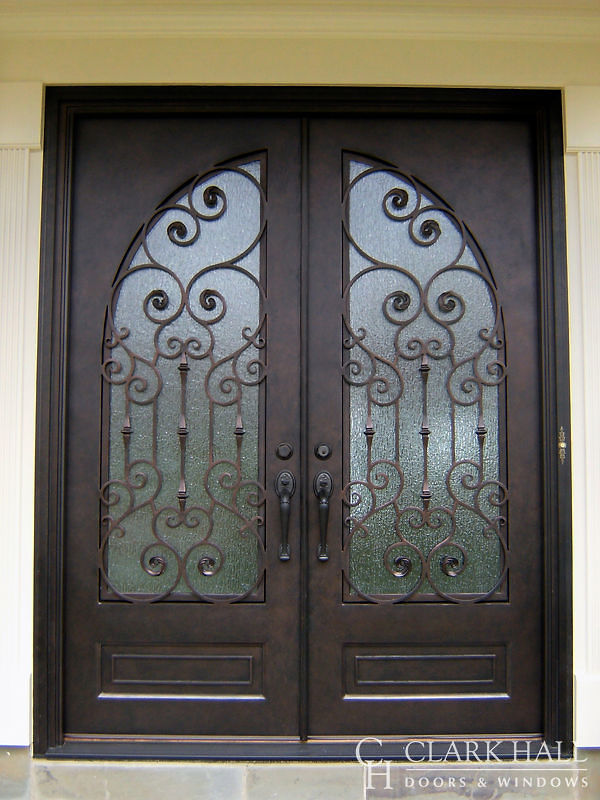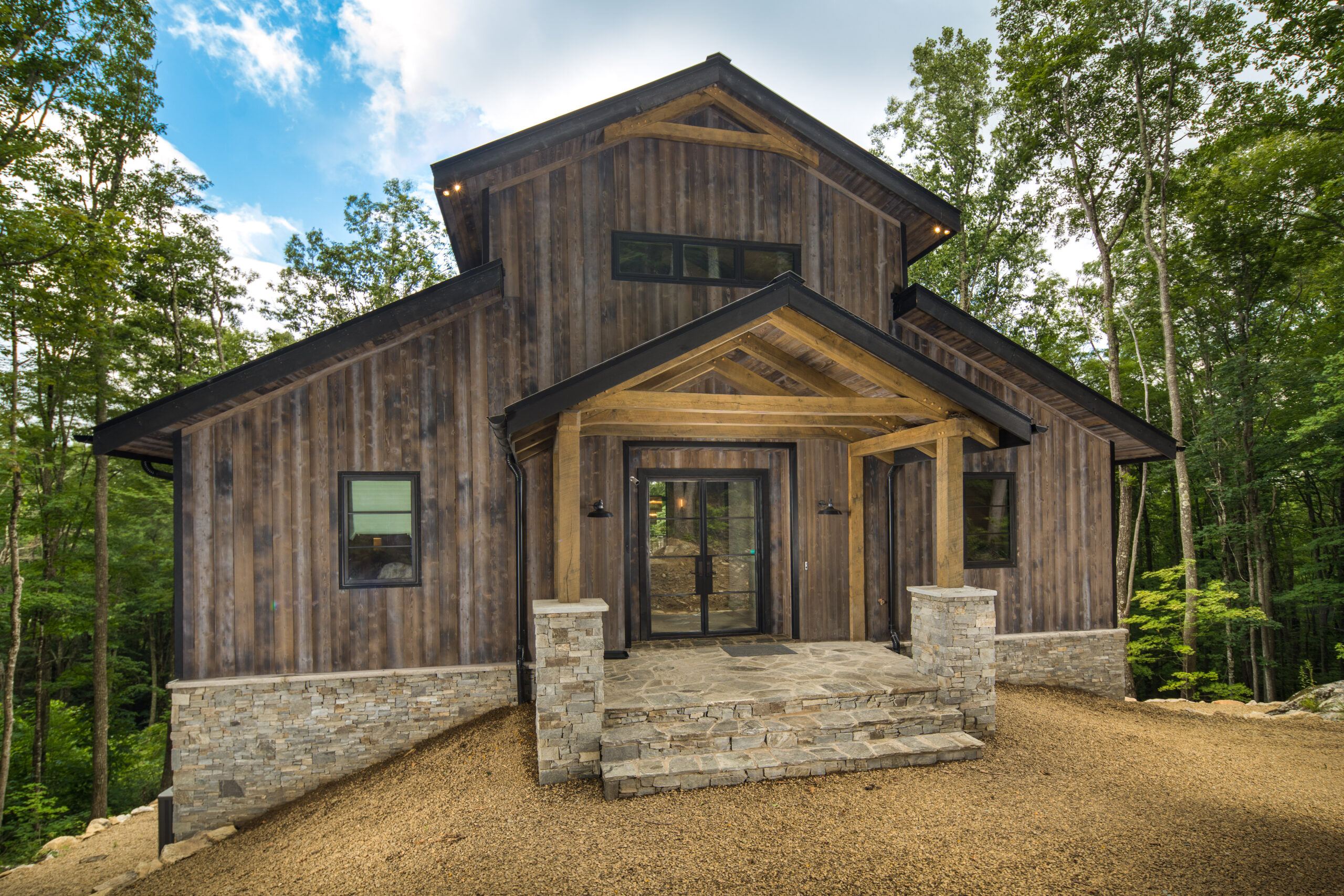
Steel and fiberglass are the most common materials used for front doors in the U.S. Because entryways are essential design elements for any home, homeowners should be aware of the key differences between steel vs. and fiberglass doors to choose the best option. As custom steel experts, Clark Hall specializes in steel but still regards both materials. That’s because either material can be an excellent choice, depending on your home’s needs or your priorities in style, climate, and security.
Both types of doors have the same inner material (a polyurethane core), but their commonalities stop there. Steel doors are built to last, providing safety and durability in any climate. While fiberglass doors can be the more affordable option, the savings often come at the cost of a significantly lower lifespan.
Steel vs. Fiberglass Doors at a Glance
The type of entry door you choose depends on your style, budget, needs, environment, and personal preferences. When choosing a new door, consider options and potential issues.
1. Strength, Durability, and Security
Steel entry doors are known for their strength, elevating security to a new level. They’re ideal for extreme weather conditions and are built to withstand even the most severe wind and storm conditions. Beyond the strength of the material, Clark Hall offers thermally broken doors, which create an insulating barrier for extra protection. They can also be treated with modern coatings to prevent rust.
- Impact resistance: High
- Dent risk: Medium, depending on door thickness
- Lifespan: 20-30 years
- Material resistance to forced entry: High
- Multi-point locking capability: Yes
Fiberglass doors are still strong but won’t withstand extreme weather conditions and can shatter if enough force is applied. They’re not easily dented or scratched, but it can happen. This is particularly true with prefabricated doors.
- Impact resistance: High
- Dent risk: Low
- Lifespan: At least 15-20 years
- Material resistance to forced entry: High
- Multi-point locking capability: Yes
2. Curb Appeal
Clark Hall doors are customizable from top to bottom. Steel and fiberglass doors have a unique visual character and texture realism. Fiberglass doors, for instance, can mimic the appearance of wood while steel has a sleek, modern look. Having a high-quality, fully unique door increases curb appeal, which translates into added value for your home. Upgrading your entryway has been proven to offer a high ROI for homeowners. According to The Journal of Light Construction’s 2025 Cost vs. Value Report, steel door replacement recoups 268% and a fiberglass grand entrance recoups 85%.
Both steel and fiberglass doors also have high color retention and UV stability when exposed to sunlight. However, steel doors may need repainting over time.
3. Energy Efficiency
When it comes to insulation, both fiberglass and steel doors are good choices as they have insulated cores. They are also both energy efficient since they don’t allow as much warm or cold air to escape. However, fiberglass doors have lower heat absorption than steel. Steel is a good conductor of heat, so when exposed to full sun, a steel door can absorb all that heat and become very hot.
Per the Steel Door Institute, steel is 100% recyclable, making it a sustainable choice for front door replacement.
Some steel or fiberglass doors may emit low levels of volatile organic compounds (VOCs) through off-gassing, a process in which these compounds are released from a solid or liquid. These compounds are typically found in specific cores, finishes, or adhesives.
It should be noted that steel itself does not contain or emit VOCs.
4. Materials
Both types of door have their pros and cons; here’s how the materials themselves match up.
- Both fiberglass and steel doors contain either a polystyrene or polyurethane core.
- Both are durable front door options.
- Both are made with a wooden perimeter frame, featuring fiberglass or steel on either side.
- Fiberglass is more low-maintenance than steel.
- Steel is often more affordable than fiberglass.
- Steel doors are heavier than fiberglass doors.
Clark Hall’s steel doors undergo a 7-step automotive-grade finishing process for a thoroughly detailed product.
Customization and Design Options
Modern steel doors offer high levels of customization, including color and design options. Mainstream steel doors are typically minimalistic with simple paneling. Paneling can be embossed, and changing hardware is an option. Clark Hall’s steel doors are precision-engineered, then hand-finished for a custom aesthetic that mass-produced fiberglass cannot match. Homeowners should have any cutouts put into the door upfront, as cutting through our steel doors after the fact is impossible.
Fiberglass doors offer customization options, but the result often resembles a cookie-cutter look. Unlike steel, fiberglass doors can be painted and refinished as they begin to show wear, which can happen quickly. Glass inserts and hardware are options for upgrading fiberglass, as well as paneling.
Cost Comparison: Steel Doors vs. Fiberglass Doors
Both steel and fiberglass doors can vary significantly in price, depending on their weight, design, and level of customization.
A handcrafted steel door may be more expensive upfront, but it will require significantly less maintenance over time, thereby increasing its long-term value. It will also enhance your home’s appearance and add to its resale value. The price of our custom doors includes glass and hardware, whereas other companies often charge separately for these details, such as weight and design.
Fiberglass doors can have a lower upfront cost, especially if they’re a basic design. Given their lower durability and shorter lifespan, buyers should factor in the costs of repair, refinishing, and repainting.
Maintenance & Care Tips
The type of material a door is made from directly correlates to the care it’ll need. Steel and fiberglass doors are both considered low-maintenance. Still, some upkeep is recommended to get more life out of your door. Avoid using a pressure washer on any door, as water can seep through the smallest cracks or gaps.
Steel Door Maintenance
Metal doors have the potential to rust, but regular cleaning can prevent it. For regular climates, clean your steel door as needed or twice a year after pollination. If you live near saltwater or in an environment with a lot of snow, it’s a good idea to wipe your door dry with a microfiber towel as needed to reduce excess moisture. Otherwise, diluted soap and water are enough for maintenance.
When cleaning the glass, always opt for an ammonia-free cleaner to prevent any damage to your door from overspray. Make sure to dry your door with a clean towel after cleaning.
Clark Hall provides each customer with a touch-up kit with the door color in case of any stain. It’s not recommended to use vinegar or any harsh chemical cleaner on steel doors, as the reaction with the metal can vary in certain climates.
Fiberglass Door Maintenance
Fiberglass doesn’t rust or warp like wood, but, like any door, it can be affected by dings, dents, or scratches. Fiberglass can also crack and peel when exposed to direct sunlight or in high-moisture areas. Regularly clean your fiberglass door with mild soap and water to keep it in top shape, then dry it with a towel. Scratches can sometimes be buffed out and refinished, and homeowners can sometimes repair dents with a dent removal tool.
While there are pros and cons to any door you choose, both fiberglass and steel doors are excellent choices for many reasons. Contact our experts if you need help selecting the door that best suits your needs.
Quick Steel vs. Fiberglass Door Comparison Table
Both fiberglass and steel doors share similarities, such as their high energy efficiency, and it can be challenging to keep their differences straight.
This quick comparison table weighs the two:
| Feature | Steel | Fiberglass |
|---|---|---|
| Strength/Durability | High strength, highly resilient against brute force. Prone to denting on impact and rust/corrosion if the finish is compromised or in high-moisture/salt environments. | Excellent resistance to dents, rust, and rot. Higher strength-to-weight ratio. May scratch, crack, or chip with extreme force or neglect. |
| Maintenance | Generally low maintenance, but scratches/dents must be promptly repaired and painted to prevent rust. May require periodic repainting. | Very low maintenance. Only requires occasional cleaning. Finish can be durable, but may need touch-ups/recoating less frequently than steel. |
| Lifespan | Very long lifespan (often 30+ years, even up to 100 years). | Long lifespan (typically 15-20 years). |
| Energy Efficiency | Very good due to an insulating foam core, but steel is a conductor, which can cause heat transfer (thermal bridging) at the surface, especially in extreme temperatures or if not insulated well. | Generally superior due to non-conductive material. Excellent insulation (often higher R-value) and less prone to thermal bridging. |
| Security | Generally considered the most secure material against forced entry due to its inherent material strength and rigidity. | Very secure and stronger than wood, but slightly less resistant to extreme, concentrated forces than steel. |
| Design Options | Best for a sleek, contemporary, or solid painted look. | Great for realism, as it can be molded to mimic the texture and grain of real wood. Can be painted or stained. |
| Cost | Typically the lower upfront cost option for entry doors. | Generally has a higher initial cost than steel. The total cost over time can be competitive due to lower maintenance. |
How to Choose Between Steel and Fiberglass Doors
When considering the pros and cons of fiberglass vs. steel doors, focus on the most significant factors. Either choice will provide functionality, but the right choice ultimately comes down to a few key factors.
Homeowners in the market for a new door should consider their comfort level with the price point, as custom designs can result in a significant budget variation.
While both steel and fiberglass doors are considered low-maintenance, steel doors require less upkeep for a significantly longer period of time. Fiberglass often requires small repairs as well as buffing out and freshening. It is also crucial to consider the climate, as both door types are better suited to certain environmental factors. Fiberglass, for instance, performs well in mild or coastal climates, while steel excels in areas with variable or extreme weather conditions.
Exterior door curb appeal options are important to many homeowners. Natural light, personal expression, and matching theme may also be considerations for entryways. Remember that fiberglass doors typically have a more minimalistic style with limited customization, whereas steel doors’ customization is seemingly endless.
Selecting the Ideal Entry Door Material
Cost, design needs, and security are all essential considerations when deciding between a steel or fiberglass door. However, you should also consider your home’s environment to determine which door will be dependable in the long term when exposed to the elements.
If you’re looking for a more energy-efficient and durable alternative to the classic look of a wooden front door, fiberglass is a great choice. However, for homeowners seeking a lower initial cost, maximum security, the longest lifespan, and a higher resale ROI, steel doors are often the right choice.
Both steel and fiberglass offer dependable performance, but only one delivers Clark Hall’s signature blend of strength and design. Schedule a consultation to explore custom steel doors built to last a lifetime.
Frequently Asked Questions
Which is more energy efficient, fiberglass or steel doors?
Both fiberglass and steel doors are energy efficient; however, fiberglass is more so than steel. That is because steel is a good conductor of heat, which can cause heat transfer.
Which door material offers the best insulation in coastal climates?
Fiberglass is often the best insulation for coastal climates. This is because fiberglass doesn’t transfer heat and is resistant to moisture, warping, and rust.
However, steel doors can be built with thermal breaks, which prevent heat transfer from inside or outside the home. They can also be treated with protective coatings to prevent degradation.
How do repairs differ between steel and fiberglass doors?
Issues with steel doors often involve surface damage, leading to rust and integrity problems. This usually includes dents and scratches, as well as corrosion that occurs when the protective finish is compromised. While fiberglass doors are generally rust-resistant, they are susceptible to surface cracking or chipping, as well as the finish fading or peeling due to prolonged UV exposure and extreme temperature variations.
Regardless of the material, both types of doors can also suffer from common issues, such as worn-out weatherstripping that causes drafts and hardware malfunctions like loose hinges or sticky locks.
Can smart locks and video doorbells integrate with both steel and fiberglass doors?
Yes, both smart locks and video doorbells can be integrated with steel and fiberglass doors. However, the metal in the steel door can sometimes cause interference or block Wi-Fi signals from reaching the device.
One of the best ways to avoid interference is to mount the lock or doorbell on the doorframe or the wall, rather than on the metal door.
What level of sound reduction can I expect from each material?
According to the National Association of Architectural Metal Manufacturers, steel has the highest sound transmission coefficient (STC) among all door materials. Standard steel doors tend to have a 25-35 STC rating, while fiberglass doors are 22-38. However, the NAAMM notes that fiberglass doors aren’t often used for sound reduction.
However, keep in mind these statistics refer specifically to commercial doors, rather than residential ones.
Do warranties vary between steel and fiberglass doors?
Yes, warranties will vary between the materials, brands, and installers. It is vital to review your warranty terms before proceeding with a door replacement or repair to understand coverage limits and care requirements.